
Hypnosis is often associated with stage shows and relaxation, but a growing body of neuroscience research shows it can be a surprisingly effective tool for accelerating learning and improving memory. When used correctly, hypnosis helps you enter a state of heightened focus and suggestibility where your brain is more receptive to new information — and more efficient at storing it.
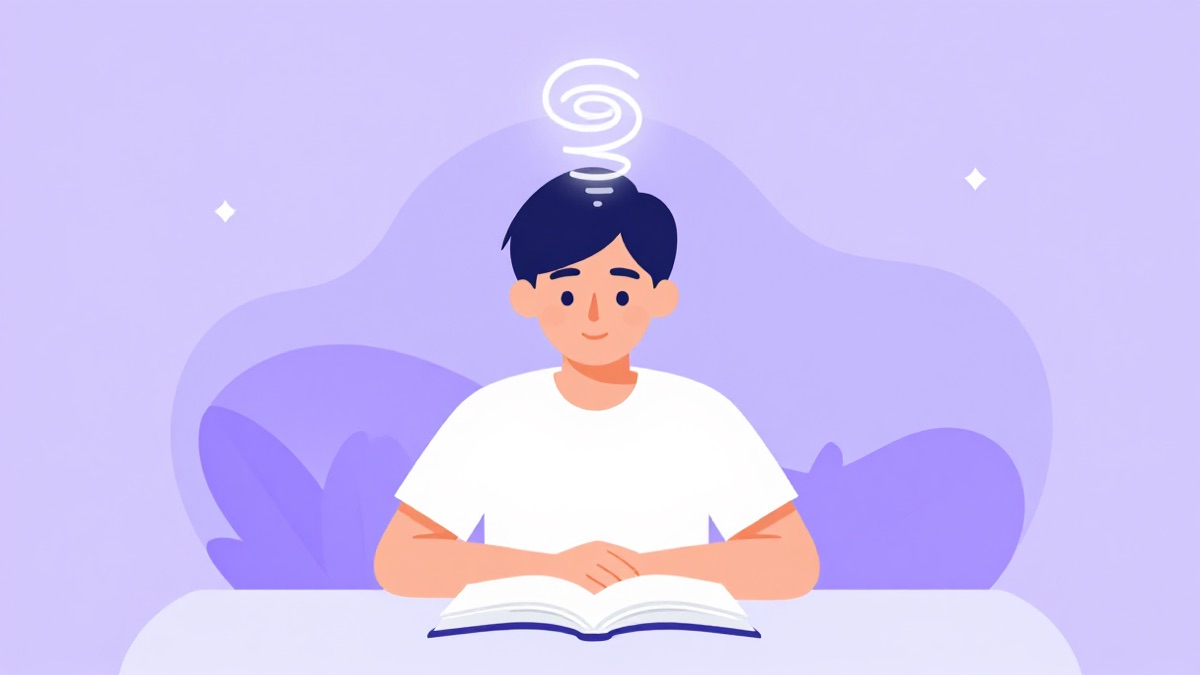
In this guide, you’ll discover exactly how to use hypnosis for learning, what the science says about its effects on memory and concentration, and a step-by-step protocol you can apply before your next study session.
What the Science Says About Hypnosis and Learning
Hypnosis is not a mystical power — it’s a natural brain state characterized by reduced activity in the default mode network (the network responsible for mind-wandering) and increased connectivity between the prefrontal cortex and sensory regions. This state makes it easier to focus on a single task and to bypass the mental chatter that usually disrupts studying.
Research on hypnosis and neuroscience shows that hypnotic suggestions can modulate attention, working memory, and even the encoding of new information. In one sense, hypnosis acts like a “focus amplifier”: it doesn’t create knowledge out of thin air, but it dramatically improves the conditions your brain needs to absorb and retain it.
How Hypnosis Affects Memory Consolidation
Memory formation happens in three phases: encoding, consolidation, and retrieval. Hypnosis can positively influence all three:
- Encoding: Hypnotic relaxation reduces stress hormones like cortisol, which are known to impair memory formation. A calmer brain encodes information more efficiently.
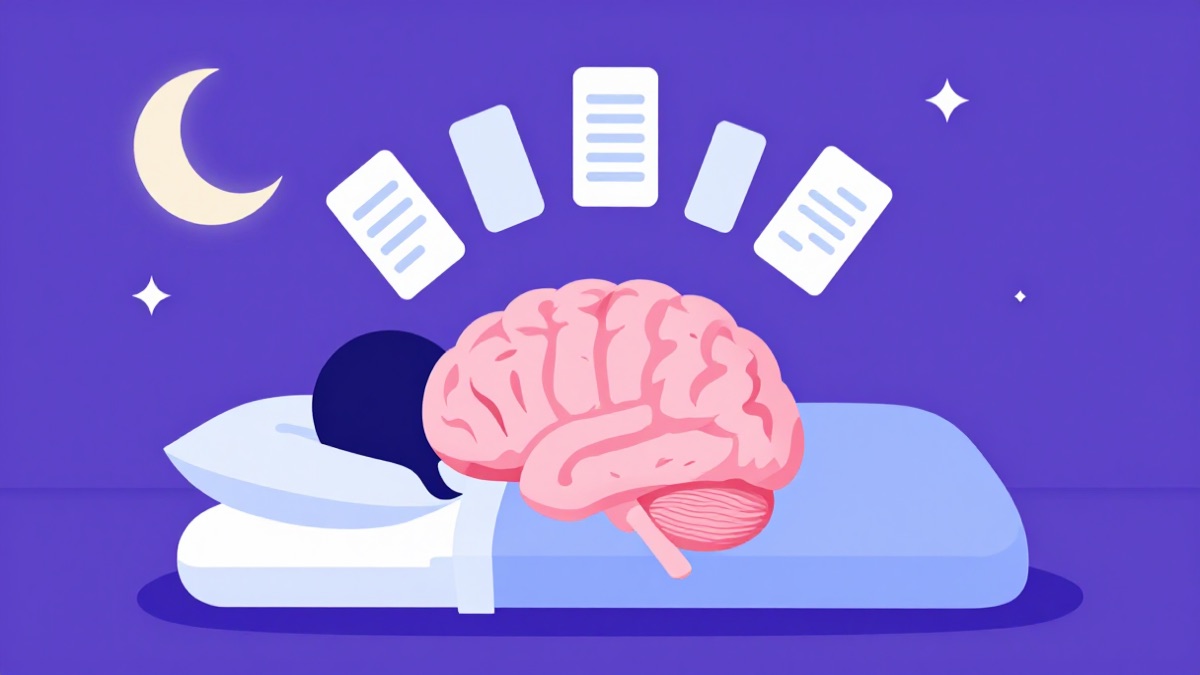
- Consolidation: During the post-hypnotic state, your brain remains in a relaxed but alert condition — close to the state where consolidation occurs. Some studies suggest this enhances the transfer of information from short-term to long-term memory.
- Retrieval: Post-hypnotic suggestions can create mental “anchors” that make it easier to recall information during exams or presentations.
This is why many students who combine hypnosis with spaced repetition report better retention: the relaxation amplifies each review session, while the spacing schedules ensure the information is revisited at the optimal moment.
A Step-by-Step Protocol to Use Hypnosis for Studying
You don’t need a therapist to benefit from hypnosis for learning. Here is a simple self-hypnosis protocol you can run in 10 minutes before a study session:
- Set your intention. Decide precisely what you want to learn or memorize in the next session (a chapter, a list of vocabulary, a set of formulas).
- Relax your body. Sit comfortably, close your eyes, and take slow breaths. Progressively relax your shoulders, jaw, and hands.
- Count down from 10 to 1. With each number, imagine yourself sinking deeper into a calm, focused state.
- Give yourself a post-hypnotic suggestion. Say (in your mind): “When I open my eyes, my mind is sharp, focused, and completely ready to absorb everything I study.”
- Study. Open your eyes and go straight into your material. Notice the difference in focus.
- Reinforce before sleep. Repeat a short version of the induction just before sleeping — consolidation is strongest during rest.
This protocol works because it trains your brain to associate the study environment with a state of deep focus. Over time, simply sitting at your desk can trigger the same relaxed concentration.
Hypnosis + Spaced Repetition: A Powerful Combo
Hypnosis and spaced repetition are complementary. Spaced repetition tells you when to review; hypnosis makes each review more effective. Together, they address both the scheduling and the quality of learning.
Flashcards are the natural interface for this combination. Use a flashcard app like Flaaash to schedule your reviews, and run a 2-minute mini-induction before each review block. The result is a learning system that’s both scientifically scheduled and neurologically optimized.
Common Myths About Hypnosis for Learning
- “Hypnosis will make me lose control.” False. You remain fully conscious and in control — hypnosis is a state of focused attention, not unconsciousness.
- “It only works on weak-minded people.” The opposite is true. People with strong imagination and concentration skills tend to respond best.
- “I’ll remember everything instantly.” Hypnosis improves the conditions for learning; you still need to study and review. There are no shortcuts — only amplifiers.
- “It’s pseudoscience.” Modern neuroimaging studies have observed measurable changes in brain activity during hypnosis, and it’s used in clinical settings for pain management and anxiety — both of which indirectly improve learning capacity.
FAQ: Hypnosis for Learning
Can hypnosis really improve my memory?
Yes — by reducing stress, improving focus, and enhancing consolidation, hypnosis creates the ideal neurological conditions for memory. It works best combined with evidence-based methods like active recall.
How long does it take to see results?
Most people notice improved focus within the first week of daily practice. Memory benefits typically appear after 2–3 weeks of consistent use.
Do I need a hypnotherapist?
No. Self-hypnosis is sufficient for learning purposes. A therapist can help if you want to address deeper blocks like exam anxiety.
Start Learning Smarter Today
Hypnosis is a powerful, science-backed addition to your learning toolkit. Combine it with neuroplasticity-based habits and the right tools, and you’ll unlock a level of focus and retention you didn’t know you had.
Ready to put this into practice? Build your own flashcard decks, schedule your reviews, and add a 2-minute hypnosis induction before each session. Your brain will thank you.
Conclusion: Make Hypnosis Part of Your Learning Routine
Hypnosis is not a magic shortcut, but it is a powerful amplifier. When combined with evidence-based methods like spaced repetition and active recall, it helps you enter a focused state where learning actually sticks. Start small: a two-minute induction before each study session is enough to feel the difference.
If you are learning a language, SuperNeat applies the same science to Scottish and Irish Gaelic: smart flashcards, spaced repetition, and immersive audio to get you speaking faster.
Leave a Reply