
You spend hours drilling flashcards, rewatching lectures at double speed, and telling yourself that one more all-nighter will finally make the material stick. Then the exam arrives and your brain goes blank. Here is the frustrating truth: most study time is wasted not because you study too little, but because you sleep too little. Learning does not finish when you close the textbook. It finishes while you sleep. The science of memory consolidation shows that sleep is not a pause in learning. It is the engine that turns fragile new knowledge into durable, usable skill.
Author: niclaw
-

The Science of Forgetting
You learned something yesterday. Maybe a new word, a fact for an exam, a name at a party. Now, today, it’s already gone — or it feels like it’s slipping. The frustrating truth is that forgetting is not a bug in your brain. It’s a feature. Your brain is designed to discard information it considers irrelevant, and it does so on a predictable curve first described by Hermann Ebbinghaus in 1885.
The good news? Once you understand how forgetting works, you can outsmart it. The science of forgetting isn’t about fighting your memory — it’s about working with its natural rhythms. In this guide, you’ll learn exactly why your brain deletes memories, how fast it happens, and the science-backed strategies to make what you learn actually stick.
-

How to Use Hypnosis to Accelerate Learning (Backed by Neuroscience)
Hypnosis is often associated with stage shows and relaxation, but a growing body of neuroscience research shows it can be a surprisingly effective tool for accelerating learning and improving memory. When used correctly, hypnosis helps you enter a state of heightened focus and suggestibility where your brain is more receptive to new information — and more efficient at storing it.
-
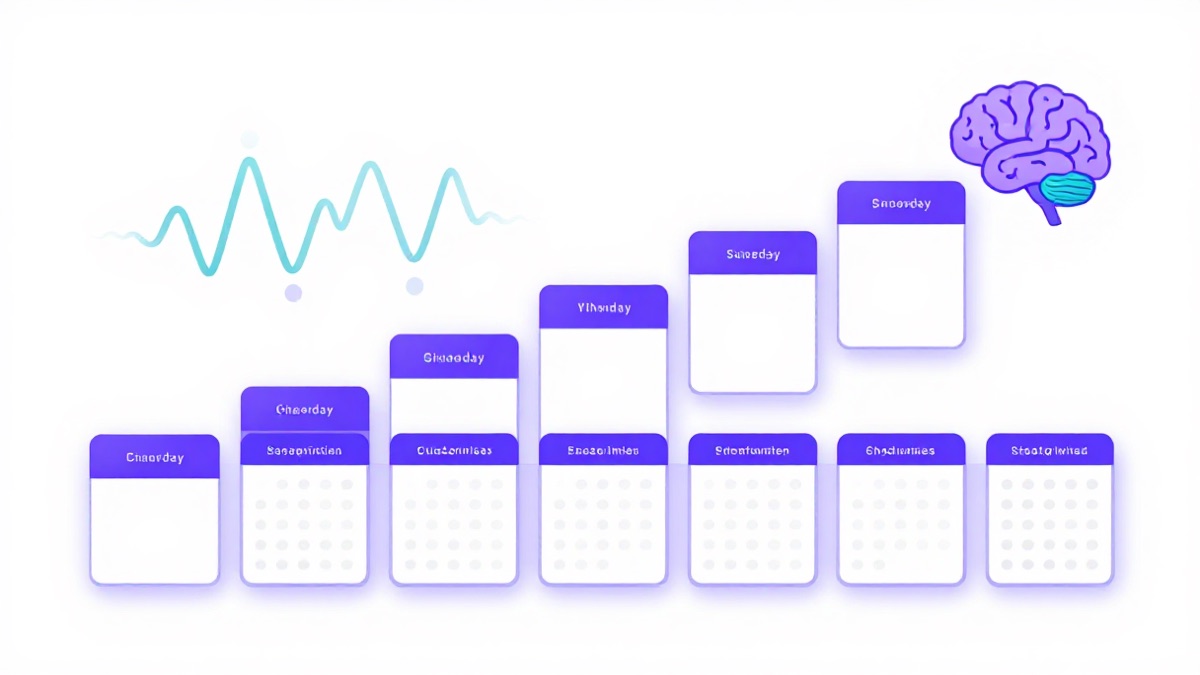
Spaced Repetition: The Science-Backed Method to Learn Anything Faster
In an era where information is abundant but attention is scarce, the ability to learn efficiently has become one of the most valuable skills. Among the various learning techniques available, spaced repetition stands out as one of the most scientifically validated methods for long-term retention and mastery of any subject.
-

How to Memorize Anything: 7 Science-Backed Memory Techniques
Have you ever read a page three times and still couldn’t remember what it said? You’re not alone — and it’s not a matter of intelligence. The real problem is that most people were never taught how to memorize. They rely on re-reading and passive review, two of the least effective strategies neuroscience has ever studied. The good news: there are proven, brain-friendly methods that can change how quickly — and how durably — information sticks.
Here are 7 science-backed techniques that work, why they work, and how to start using them today.
-

Active Recall: The Science-Backed Study Technique That Outperforms Everything Else
You’ve spent hours re-reading your notes. You’ve highlighted entire textbooks. Yet when the test comes, the information just isn’t there. Sound familiar? The problem isn’t how long you study — it’s how you study. Active recall is the evidence-based study technique that changes everything about how your brain encodes and retrieves information.
-
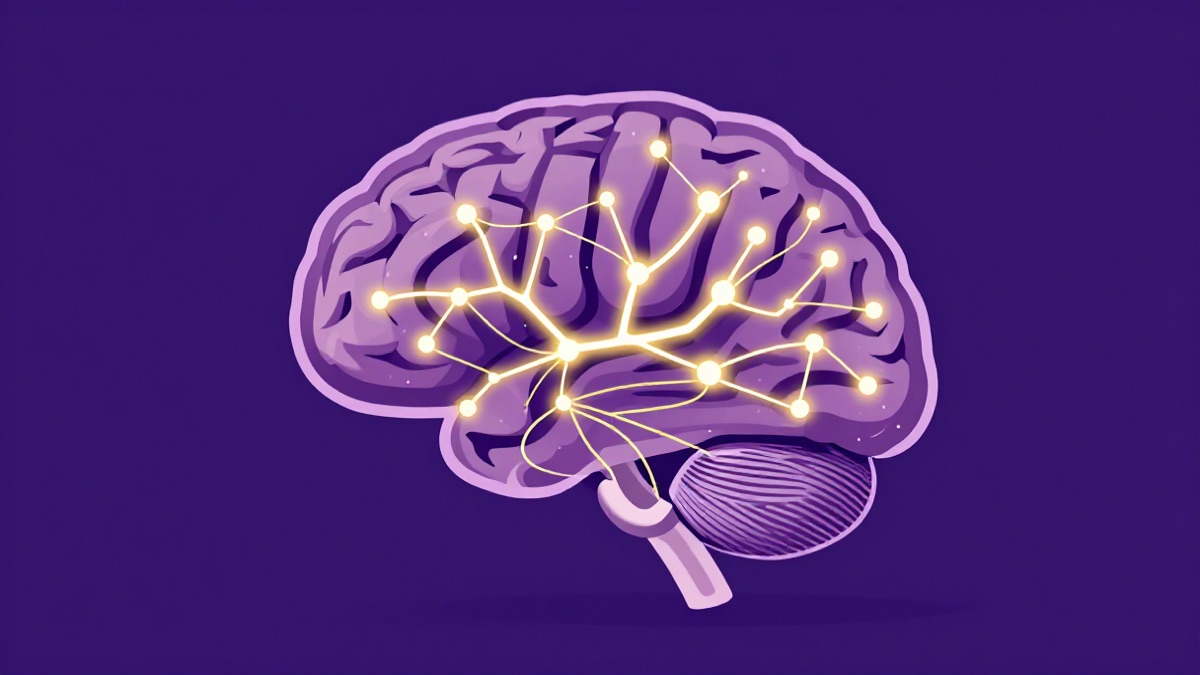
Neuroplasticity: How to Rewire Your Brain for Faster Learning

What if everything you believed about your brain being fixed was wrong? Science has proven that your brain can change, grow, and rewire itself at any age. This process is called neuroplasticity — and it is the biological foundation of all effective learning.
Whether you are studying a new language, building a skill, or trying to retain complex information, understanding neuroplasticity will fundamentally change how you approach learning. In this guide, we break down the science and show you exactly how to use it for faster, deeper learning.
-
Flow State and ADHD: How to Unlock Deep Focus and Learn 10x Faster
Have you ever been so absorbed in a task that time seemed to disappear? That laser-sharp, effortless concentration is called flow state — and it might seem like the last thing someone with ADHD could achieve. The truth is more surprising: recent neuroscience suggests that ADHD brains are uniquely wired for flow, when the right conditions are in place.
-
Hypnosis for Learning: Boost Your Memory with Neuroscience
Have you ever wondered why some people seem to grasp information in minutes while others struggle for hours? The answer lies not in innate talent, but in understanding how our brain works. Hypnosis, long relegated to the realm of stage shows, is now recognized as a powerful tool for enhancing learning and memory.
-
Spaced Repetition for ADHD: The Science-Backed Guide to Never Forget Anything
If you have ADHD, you know the struggle: you learn something today, and it’s completely gone by tomorrow. Your brain seems to have a built-in delete button for everything you study. But there’s good news: spaced repetition is a powerful technique backed by neuroscience that can help you remember everything you learn.